




Natural grass is not just a surface for playing matches or enjoying leisure time; it is a vital component that defines the essence and functionality of sports and recreational areas. Its presence is so fundamental that, without it, the experience and performance in these areas would be significantly diminished.
Table of Contents
The Aesthetic and Practical Function of Natural Grass
Natural grass is the canvas upon which our outdoor activities unfold. Its presence in sports and recreational areas goes beyond the visual; it's a complete sensory experience. Stepping onto a natural grass surface, we feel its coolness beneath our feet, a gentle massage that invites movement and play. It's a setting that inspires athletes to push their limits and families to enjoy unforgettable moments.
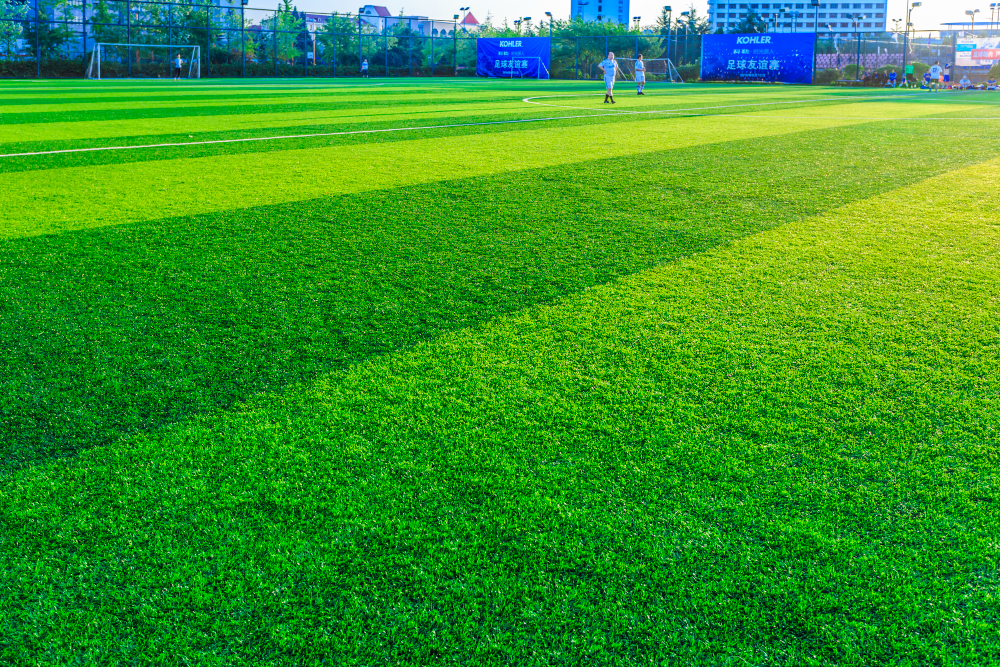
The aesthetics of natural grass play a crucial role in how a space is perceived. A football pitch with perfectly cut lines or a park with well-maintained green areas is not only visually appealing, but also conveys a sense of care and attention to detail. This natural beauty fosters a positive and energizing environment, essential for people's emotional and physical well-being.
Selecting the Right Grass Variety
Choosing the right grass variety is crucial to ensuring both the durability and functionality of the space. Factors to consider include:
- Traffic: High traffic areas need robust lawns such as Ryegrass or Bermuda that can quickly recover from compaction and wear.
- Shade: For areas with significant shade, species such as St. Augustine or Fescue grass may be more suitable, as they tolerate a lack of direct sunlight better.
- Climate and Water Resources: In arid or water-restricted areas, selecting varieties such as Zoysia or Buffalo, which require less irrigation, is essential for resource conservation and sustainability.
From a practical standpoint, natural grass offers unparalleled advantages. Its ability to absorb water reduces the risk of flooding and erosion, while its texture provides natural traction that is vital for sports like soccer and rugby. Furthermore, natural grass is a living system that self-repairs and adapts to varying weather conditions, making it ideal for a wide range of sporting and recreational activities.
Environmental Benefits and Sustainability
Natural grass is a silent hero in the realm of environmental sustainability. Its role in air purification is fundamental, as every square meter of grass is an oxygen factory that contributes to the health of our planet. Furthermore, urban green spaces with natural grass are essential for creating habitats for local biodiversity, providing a home for a variety of insects, birds, and small mammals.
Design of Sports and Recreational Spaces
Designing sports and recreational spaces with natural grass is an art that combines aesthetics, functionality, and ecology. Choosing the right type of grass is a critical decision that influences both the user experience and the sustainability of the space. Careful planning is essential to maximizing the benefits of natural grass. Designers must consider the orientation of the terrain, shade patterns, and topography to ensure optimal and uniform grass growth.
Sustainable Maintenance
Maintaining a healthy and attractive natural lawn requires a significant investment of time and resources. Challenges include proper watering, fertilization, pest and disease control, and regular mowing. However, with modern gardening techniques and technologies, it is possible to maintain a lawn in excellent condition with a reduced environmental impact.
Natural grass is much more than just a layer of vegetation; it's an essential element that enriches our sporting and recreational experiences. Its ability to beautify the surroundings, contribute to environmental sustainability, and provide a safe and comfortable surface makes it an irreplaceable choice in the design of outdoor spaces.